
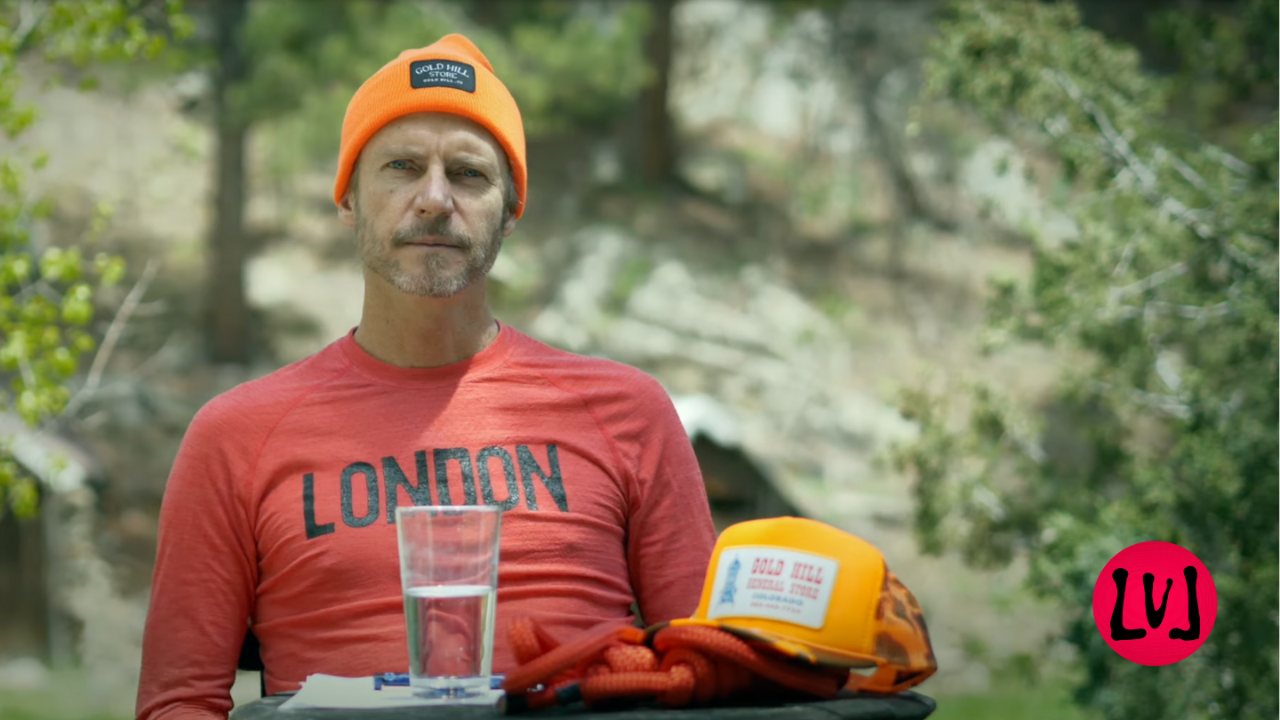
Crawling Patterns, Parasympathetic Power, and Authentic Movement in an Anxious World
Jan 12, 2026 It is easier to be changed than to change.” – Robert Sapolsky
The Modern Mismatch: Anxiety and Movement Dysfunction
We live in an age of chronic anxiety and chronic inactivity. Modern lifestyles have pulled us far from our natural roots of movement and play. Children who grow up barefoot and outdoors tend to move intuitively and fluidly, but decades spent in shoes, cars, and chairs disconnect us from those instinctual movement patterns . This mismatch contributes to an anxiety crisis – our bodies and brains are stuck in stress mode while lacking the natural movement outlets that helped our ancestors cope. It’s no surprise that global anxiety rates have surged (a 25% increase in anxiety and depression was seen in the first year of the pandemic alone ). We are wired for movement, yet many of us move poorly or barely at all, creating a vicious cycle of tension, stress, and disconnection from our bodies.
Instead of using our bodies to discharge stress, we often sit hunched over screens, perpetually in “fight or flight” mode. The sympathetic nervous system (our fight-or-flight response) stays revved up, while our calming parasympathetic side (rest-and-digest) is seldom engaged. Shallow breathing, rigid posture, and constant alerts on our devices keep us in a simmering state of alarm. We’ve forgotten the natural calming rhythms of life – deep breaths, rhythmic walking, crawling, stretching on the floor – that once soothed our nervous systems. The result is a population that is overstimulated mentally and undernourished physically.
But there is hope: by rekindling primal movement patterns and mindful, gentle motion, we can send our brains the message that we are safe, allowing stress chemistry to subside. In my own journey as a therapist and movement coach, I’ve learned that lasting change often comes not from forcing ourselves, but from creating an environment that changes us. If we surround ourselves with the right influences – supportive friends, wise mentors, or even healing movement practices – “we can be changed” in profoundly positive ways, almost effortlessly. I experienced this myself: early in my career I tried to “fix” people’s posture by sheer will, practically bullying them (and myself) into better health. It rarely worked. Only when I created a safe space for authentic movement to emerge did I witness remarkable transformations. Progress was slow at first, but then the breakthroughs came – sometimes in dramatic, spontaneous moments where the body remembers its birthright of fluid, efficient movement.
From Fight-or-Flight to Rest-and-Restore: The Parasympathetic Reset
To break out of the anxiety–tension loop, we must engage the parasympathetic nervous system – our built-in calming and healing mode. The parasympathetic system (often called “rest and digest”) counteracts the adrenaline of fight-or-flight, slowing the heart rate, deepening breathing, and relaxing muscles. Gentle movement and breath are two powerful levers we can use to flip this switch. For example, slow diaphragmatic breathing directly stimulates the vagus nerve, a key parasympathetic nerve, sending signals to your brain that you are safe and can relax . This is why practices like meditation and breathwork are so effective for anxiety – they are literally nervous system training. Even technology is catching on: guided breathing apps like Aeri help users consistently practice calming breath techniques, which in turn reduce stress and anxiety through nervous system regulation . Your breath is the remote control for your nervous system, and learning to use it can transform your posture, sleep, and mood .
But breathing isn’t the whole story – movement plays an equally important role in regulating our physiology. Moving your body with awareness provides what scientists call proprioceptive input (sensations of pressure, stretch, and position) that signal safety to the brain. Think about how a firm hug or gentle rocking can calm a distraught child; movement can do the same for adults. Research-backed techniques for activating the parasympathetic system often include physical motions: grounding exercises like wall push-ups, gentle resistance band pulls, or even crawling on hands and knees. These motions stimulate deep pressure receptors in our muscles and joints, telling the brain “you’re supported, you can let go” . Even slow, rhythmic swaying or rocking can lull the nervous system into a calmer state . In short, mindful movement shifts our internal state from high alert to healing mode.
One beautiful example comes from the world of somatic therapy and mindful movement practices. The Feldenkrais Method, a gentle movement education system, is explicitly designed to calm and retrain the nervous system. Instead of vigorous exercise, Feldenkrais has you explore small, comfortable movements while paying close attention to sensation. This kind, intelligent approach coaxes your body toward ease and efficiency without force. The result? A direct activation of the parasympathetic response. Feldenkrais lessons literally shift you out of fight-or-flight and into “rest and restore”mode, reducing pain, muscle tension, and stress along the way . By moving slowly and mindfully, you give your brain the opportunity to realize that it can release old patterns of holding or bracing. As tension melts, blood pressure drops, digestion improves, and you may even feel a sense of emotional relief. This exemplifies somatovisceral movement – using bodily motion to positively influence the internal organs and autonomic functions. Unfortunately, such integrative movement is profoundly deficient in the modern world, but we can change that by reintroducing these practices into our daily lives.
Slow, gentle movement practices (whether yoga, qigong, or Feldenkrais) tap into our parasympathetic “rest and digest” system. By moving with mindful ease, we can calm the mind, reduce pain, and restore our body’s natural balance . Such somatic practices remind the body of what it innately knows – how to relax and heal.
Crucially, entering a parasympathetic state isn’t just about physiology – it’s also the gateway to learning, creativity, and authentic self-expression. When the body feels safe, the brain opens up to curiosity and play. As movement specialist Lawrence van Lingen notes, “when you’re in a parasympathetic mode, you tend to be curious” . In a relaxed state, we become like children again – eager to explore new movements or ideas without fear. This is why the most effective training environments feel playful and pressure-free. Whether you’re trying to improve your running form or learn to dance, cultivating a sense of safety and playfulness will accelerate your progress far more than brute discipline. All great change happens in a safe space. When we’re not guarding ourselves, we can let go of old habits and discover better ways of moving and being.
Primal Patterns: Crawling Your Way to a Calmer, Stronger Self
It might sound funny, but one of the most powerful “new” exercise trends is as old as humanity itself: crawling. That’s right – getting down on all fours and crawling like a baby (or bear) is having a renaissance in fitness and rehab circles. Why? Because crawling reawakens fundamental neural patterns and connects the body in ways that few other exercises can. It engages the cross-crawl coordination between opposite limbs, integrates the core, shoulders and hips, and stimulates the vestibular system (balance and spatial orientation) – all at once. In effect, crawling is a “reset” for the nervous system and posture. Original Strength, a popular restorative exercise system, preaches that crawling is like pressing the reset button on your body, helping to undo the stiffness and dysfunction accumulated over years . Some chiropractors even call crawling “the new plank” for its ability to build core stability in a functional way .
From a nervous system perspective, crawling can be incredibly calming. It provides that deep pressure and grounded contact that our bodies crave. As you crawl, your hands and feet press into the floor and your body moves in a contralateral rhythm – this combo gently floods the brain with proprioceptive input that says “all is well”. Therapists have observed that slow crawling exercises can activate vagal pathways (part of the parasympathetic system) by stimulating pressure receptors in the limbs and spine . Essentially, crawling helps switch off excessive sympathetic drive and invites the body to relax even while it’s working. It’s both a workout and a soothing tonic. Many people report feeling surprisingly calm and focused after a few minutes of crawling practice, almost like they meditated.
Crawling also reconnects us with our developmental origins. As infants, we all (hopefully) spent months rocking, rolling, and crawling on the floor – these motions literally built our nervous system, laying the foundation for walking, running, and complex coordination later on. By returning to these foundational patterns in adulthood, we remind the brain and body of efficient movement pathways that might have gone dormant. “Movement is primal,” as I often say to my clients. If you feel lost about how to fix your gait or posture, a great principle is: start where movement began. Lawrence van Lingen emphasizes this in his coaching – *“Start with the nervous system. Crawling, rhythmic breath work, and primal patterns recalibrate movement from the inside out. Want to move like you mean it? Go back to where movement began.” . In other words, when you re-engage those central pattern generators (the built-in neural circuits for crawling, walking, etc.), you rebuild a trustworthy foundation for all other movement. I’ve seen injured runners make breakthroughs by incorporating crawling drills; their stride becomes more coordinated and fluid as their body relearns the fundamental cross-crawl pattern.
Even if you’re not an athlete, crawling can unlock a sense of physical confidence and neuroplasticity. It’s a reminder that you can learn new tricks (or relearn old ones) no matter your age. Plus, it’s accessible – you can crawl in your living room for free, and there are many variations to suit any fitness level (bear crawl, leopard crawl, etc., or simpler contralateral hand-knee lifts for beginners). The key is to keep it slow, smooth, and mindful. Focus on opposite hand and knee moving together, keep your core engaged, and breathe deeply as you move. It should feel almost meditative. Just a few minutes a day of crawling or similar quadrupedal movements can yield surprising benefits: improved shoulder stability, a stronger core, better body awareness, and a calmer mind. It’s a perfect example of how restoring natural movement patternsleads to better nervous system regulation and vice versa. When you trust your body’s original design, you start moving with more ease and less effort – and yes, often with less anxiety too, because your brain senses that things are working as they should.
I recall a dramatic example: my friend and podcast co-host Floris was struggling with persistent running injuries and stress. We worked on going back to basics – breathing, crawling, playful movements – essentially giving his body permission to reset. One day, during a conversation on the Extramilest Show (our podcast), Floris described an almost spontaneous healing moment where something clicked for him . In that instant, he felt a wave of relief and realized that what he’d been chasing – pain-free, joyful running – was actually his birthright once he got out of his own way. By reawakening his innate movement patterns and calming his nervous system, Floris was changed in an instant of insight. It was as if his body remembered, “Oh, I know how to do this!” and a lifetime of tension released. Moments like that, though rare, are profoundly inspiring. They show that when we create the right conditions, transformation can happen in a blink. Crawling on the floor might just lead to soaring breakthroughs in your athleticism and well-being.
The Power of Slow, Somatovisceral Movement (Soft Is the New Strong)
Not all movement that heals looks like a workout. In fact, some of the most therapeutic physical practices are the gentlest. I often say soft is the new strong. Slow, exploratory movement modalities – sometimes called somatovisceral practices – work on the principle that body and mind are one continuous system. By moving the body in a slow, internally-aware way, we directly influence our viscera (internal organs), our hormones, and our emotional state. We already touched on Feldenkrais, which is a shining example of this approach. Another example is the Chinese art of Qigong or Tai Chi, where one performs very slow, flowing movements synchronized with the breath. These arts have been shown to reduce stress, improve heart rate variability (a marker of parasympathetic activity), and even enhance immune function. The common thread is mindful, controlled motion that emphasizes quality over intensity.
In my own recovery from a cancer battle years ago, I found that embracing slow movement was lifesaving. I began to rethink everything I knew about exercise and therapy. Instead of “no pain, no gain,” I adopted a gentler mantra: no pain, all gain. I explored evolutionary movement patterns – not just crawling, but also rolling on the ground, gently twisting, practicing infant-like head nods and pelvic tilts. I integrated breathing with each motion, letting inhales and exhales guide the tempo. This self-rehabilitative process taught me that we cannot force our way to healing; we must invite it. By moving slowly and with curiosity, I allowed millennia of evolution and design to express itself without my interference. The results were astounding – pain that I had just tolerated for years began to diminish, my posture realigned naturally, and perhaps most importantly, my mind grew quieter and more focused. I was tapping into the parasympathetic via movement, and it felt like discovering a superpower.
One might wonder, how can easy movements have such profound effects? The answer lies in the subtleties of the nervous system. Slow movements increase our interoceptive awareness (awareness of internal sensations) and give the brain rich feedback about where all our parts are in space. This gentle sensory bath can “reset” faulty neuromuscular connections in a way high-intensity training can’t. To use an analogy: if your goal is to fine-tune a piano, you wouldn’t smash the keys loudly; you would press them gently and listen closely. Somatic exercises operate on that principle. They tune the body by operating at a low threshold where compensation patterns relax and new options emerge. It’s not uncommon to see someone stand up after a 45-minute Feldenkrais lesson moving completely differently – looser hips, softer shoulders, a more balanced gait – all without a single muscular stretch or strengthening drill. By doing less, they gained more. As one Feldenkrais practitioner beautifully put it, “Feldenkrais activates your parasympathetic nervous system… You shift from ‘fight or flight’ into ‘rest and restore.’ This helps reduce pain, tension, and stress” . In other words, relaxation is a skill, and gentle movement teaches it.
If you’re dealing with anxiety, chronic pain, or simply feel disconnected from your body, I highly recommend exploring these softer movement modalities. Consider them an active form of meditation. You might start with something as simple as supine breathing exercises: lie on your back with knees bent, place your hands on your belly, and slowly rock your knees side to side while breathing deeply. This kind of micro-movement paired with breath can calm your vagus nerve and release low back tension. Or try an Awareness Through Movement (ATM) lesson from Feldenkrais – there are many free recordings available that guide you through subtle sequences (like rolling your head while sensing your spine, or sliding one foot and observing pelvic tilt). After such a session, people often report not just physical relief but mental clarity and improved mood. As one student of mine exclaimed, “I feel like I just had a massage for my brain!” That’s the somatovisceral effect – the body and internal state coming into harmony.
Even mainstream fitness is starting to embrace this gentler side. Recovery workouts, mobility flows, and “down-regulation” sessions are becoming popular to balance out high-intensity training. Elite athletes have discovered that spending time in parasympathetic activities (like easy yoga or breathing drills) actually boosts their performance – because it improves recovery, focus, and injury resilience. I encourage everyone, from world-class athletes to desk-bound professionals, to adopt a practice of slow movement at least once or twice a week. Think of it as charging your batteries or hitting the reset button. In a world that urges us to go faster and do more, choosing to slow down and move mindfully is a radical (and refreshing) act of self-care. Remember: your best self – in movement and in life – is already within you, just waiting for the right conditions to flourish.
Flow State on a Rope: Playful Movement to Rewire Your Brain
Speaking of balancing intensity with ease, let’s talk about a tool and trend that encapsulates both: the flow rope. If you haven’t heard of rope flow, imagine a heavy jump-rope-like cord that you swing around your body in continuous patterns (but you’re not actually jumping over it). It’s a bit like dancing with a rope – you create figure-8 shapes, loops, and weaves in a rhythmic flow. This practice has exploded in popularity among runners, martial artists, and movement enthusiasts for its unique blend of benefits. Rope flow is fun, first and foremost, but it’s also sneaky-good for your mobility, coordination, and even mental health. When I first picked up a flow rope, I was hooked by how engaging it was – it requires just enough concentration to fully absorb your attention, making it wonderfully mind-clearing. It’s hard to ruminate on your worries when you’re focusing on keeping a rope pattern going!
Flow rope training integrates coordination, rhythm, and play. In rope flow practice, participants use a weighted rope to perform continuous, dance-like movements. This kind of cross-lateral, rhythmic activity engages the whole body and can even help induce a meditative “flow state,” reducing stress while improving mobility and coordination.
One of the biggest perks of rope flow is how it fosters a flow state (hence the name). As you learn patterns like the “Dragon Roll” or “Underhand Figure-8,” you must synchronize your hands, engage your core, and move your feet in harmony. It’s challenging at first, but once you get the hang of it, you enter a rhythmic groove where time disappears – that coveted flow state where movement becomes almost effortless and deeply satisfying. Neurologically, this is gold for stress relief. Rope flow combines several calming elements: it’s rhythmic and repetitive, it’s bilateral (engaging both sides of the body and brain), and it provides continuous sensory feedback from the rope. According to one training resource, rope flow “engages the brain with cross-lateral movement (left-right coordination) and reduces stress by tapping into a meditative ‘flow state.’” . In other words, spinning a rope around can quiet the mind much like a form of moving meditation. I often finish a rope flow session feeling mentally refreshed and physically relaxed – a far cry from the exhausted, amped-up feeling traditional workouts sometimes leave. It’s the perfect balance of gentle and invigorating.
From a biomechanical view, rope flow offers what our modern lives are missing: multi-planar movement. We tend to move in very linear, repetitive ways (or not at all). Rope flow forces you to twist, pivot, and reach in ways that open up tight fascia and encourage spinal mobility. It’s common for people to report their shoulders and thoracic spine feel amazingly loose after swinging the rope for a while . Unlike static stretching, which can feel boring or even stressful if you push too hard, the rope gets you to those end ranges dynamically and pleasurably. You don’t even realize you’re mobilizing joints because you’re absorbed in the pattern. Meanwhile, your neural coordination is getting a serious upgrade. The rope acts like a teacher – if your timing is off, it’ll tangle or jerk, providing instant feedback. With practice, your nervous system learns to smooth out the movements. This enhances coordination across your body’s “diagonal slings” (muscle-fascia chains that run crosswise through the body) . Many of these slings connect upper and lower body, or even link through our viscera, so improving their function can translate to better gait and even organ function (through improved spinal movement and diaphragmatic motion).
Perhaps most importantly, rope flow reintroduces play into our movement diet. As adults, we often forget to play, yet play is a powerful antidote to anxiety. With a rope, you can feel like a kid experimenting – there’s no “right or wrong” beyond the basic patterns, and even those can be endlessly tweaked to keep things interesting. The playfulness lowers psychological barriers. I’ve seen even “non-athletic” folks light up when they try rope flow, because it’s movement for its own sake, not just exercise you have to grind through. And guess what – when you’re playing, you’re in a parasympathetic, receptive state. You’re more likely to retain new motor skills and less likely to injure yourself. Fluid, relaxed movement is actually the foundation of true strength. As I often remind my clients (and myself), tension is the enemy of strength. In rope flow, if you try to muscle it or stay too tense, the rope will promptly rebel. You have to soften, time your breath, and move from your center. In doing so, you cultivate the kind of relaxed power that carries over into sports and daily life. It’s no wonder coaches like Lawrence van Lingen incorporate rope flow to help runners with form – it teaches you to extend from the hip, rotate through the core, and find a smoother stride . Plus, it’s just plain enjoyable, which means you’ll actually do it consistently.
The benefits of rope flow for stress and anxiety are worth emphasizing. It’s not just anecdotal – there’s a growing understanding that engaging in repetitive, rhythmical motion with deep breathing can significantly lower stress hormones. Rope flow naturally encourages you to coordinate breath with movement; many people slip into an even inhale-exhale rhythm as they get in the zone. You may also find yourself unclenching your jaw and relaxing your face as you sway through the patterns. This is your body shifting toward parasympathetic dominance. One fitness article noted that rope flow practice, especially when combined with mindful breathing, can “create a sense of balance both physically and mentally,” helping to lower anxiety levels and muscle tension . I personally use rope sessions as a reset on busy workdays – after 10 minutes of swinging the rope in the backyard, I return to my tasks with a calmer mind and often a flash of creative insight (perhaps because bilateral movement integrates brain hemispheres, unlocking creativity).
If you’re intrigued, getting started with rope flow is easy. You don’t need a ton of space or any prior skill – just a rope (there are dedicated flow ropes you can buy, like the ones from the Flow Rope Shop or WeckMethod, which we often recommend to our community for their ideal weight and flexibility). Start with basic patterns like the “Overhand Figure-8” or the “Underhand Sneak.” There are plenty of free tutorials and communities online (the rope flow community is very welcoming!). Remember to keep your grip light and your knees soft. It’s normal to whack yourself or drop the rope a bunch at first – laugh it off and treat it as part of the play. Once you catch a smooth cycle or two, you’ll understand why people get addicted to this. Over time, as you learn more complex patterns or even footwork (like walking or pivoting while flowing), you’ll be training your brain and body in such an enjoyable way that you won’t even think about the fact you’re exercising. And that’s the ultimate win-win: improving fitness and mental health under the guise of play.
Authentic Movement, Authentic Self: The Way Forward
All the concepts we’ve explored – crawling, breathwork, slow somatic movement, playful flow state training – point to a common theme: authenticity in movement and self. When you strip away the societal conditioning, the stiff office postures, the “no pain, no gain” mentality, you find that your body knows how to move authentically. It has an inherent wisdom honed by millions of years of evolution. Our job is not to micromanage every angle of our limbs, but to create conditions for that authentic movement to surface. In practical terms, that means prioritizing quality of movement over quantity, seeking environments where you feel safe to experiment, and being kinder to your body. Paradoxically, when you stop trying so hard to change yourself, you often find you can be changed more profoundly. As Sapolsky’s quote reminds us, external circumstances (including the environment and people we surround ourselves with) have a huge influence on our capacity to change.
For me, the turning point was finding mentors and methods that resonated with this approach. I had to unlearn the harsh, perfectionistic mindset I started with. Instead of viewing a runner or patient as a bundle of problems to correct, I began to see each person (myself included) as whole and perfect, only needing the right space to unfold. I stopped obsessing over faults and started recognizing potential. The results were night-and-day. Clients whom I’d plateaued with suddenly began to improve when I gave them permission to move freely and express themselves without fear of doing it “wrong.” I often say now that my role is simply to hold the space and offer gentle guidance while their own body leads the way. And you know what? Their original biomechanics – the way they were “born to move” – often emerges spontaneously once we remove fear, pain, and judgment from the equation. It’s a beautiful thing to witness. A slumped, self-conscious individual can transform into a confident, upright mover not by force, but by self-acceptance and exploration.
This philosophy extends beyond movement. Authentic movement is really a gateway to an authentic life. When you start trusting your body, you start trusting yourself in a deeper way. You realize that the best version of you has been inside all along, covered up by layers of stress, trauma, and imposed expectations. Peeling those away (through the kinds of practices we discussed) can reveal not just physical potential (running faster, lifting stronger, moving pain-free), but also a truer you – perhaps a more joyful, creative, and compassionate you. It certainly did for me. Stepping closer to my authentic self gave me the courage to pursue my true purpose and passion for helping others. And interestingly, the more authentically me I became, the more my community grew. As the saying goes, the only life worth living is a deeply authentic one. In embracing who I really am – quirks, flaws, and all – I found that I connected with people on a more genuine level. We respect and accept those who are comfortable in their own skin.
If you’ve made it this far, chances are something in you is yearning for this kind of authentic mind-body connection. I encourage you: take the first step. Maybe that’s rolling out a mat and exploring some gentle movements. Maybe it’s going outside, taking off your shoes, and walking in the grass to feel the earth (grounding is another simple way to calm the nervous system). Or perhaps you’ll crawl around your living room tonight after reading this – go for it! Let yourself be a beginner and, importantly, let it be fun. Try that Flow Rope session or the new breathwork app, not as a chore but as an adventure in self-discovery. Link up with like-minded folks – join a class, an online group, or even just share this journey with a friend. We are social creatures, and having a supportive tribe amplifies our ability to change. In a recent conversation on the Extramilest podcast, Floris and I talked about how finding the right community and resources can catalyze breakthroughs that you’d never achieve alone .
Finally, remember that progress is mostly gradual – but those gradual improvements set the stage for the occasional big leap. Be patient with yourself. Progress might look like one extra deep breath before reacting to stress, or a slightly smoother gait on your run, or a night of sleep that’s a bit more restful than the last. Celebrate those small wins; they compound. You’re essentially re-patterning your nervous system and body, which is profound work (and worthy of pride). Every time you choose a stretch over doom-scrolling on your phone, or a playful crawl with your kid instead of slumping on the couch, you’re investing in a healthier, happier you. You’re also contributing to a cultural shift – imagine if more people handled anxiety with a breathing session and some movement flow instead of lashing out or numbing themselves. The ripple effects on society would be incredible.
In closing, the path to better health and movement isn’t found in the latest quick-fix gimmick. It’s in going back to basics: honoring your evolutionary heritage of movement, harnessing your breath, and allowing yourself to be changed by supportive environments. Create a safe space for yourself – literally and metaphorically – to move, to feel, to play. In that space, your authentic self will gradually shine through, along with the authentic movement that accompanies it. That is your birthright. It’s always been there. Now is the time to reclaim it. Here’s to crawling, breathing, flowing, and growing into the best version of you – a you that moves through life with strength, ease, and genuine joy.
References & Further Resources:
-
Lawrence van Lingen & Floris Gierman – Extramilest Show #80: Transform Your Running (podcast) – Inspiring conversation on authentic movement and a dramatic healing breakthrough.
-
Feldenkrais Method – Overview of how gentle movement can calm the nervous system and improve overall function.
-
Original Strength – “Pressing Reset” with crawling and developmental patterns ; why crawling is gaining traction as a fundamental exercise.
-
HealYourNervousSystem.com – 55 Techniques to Activate Your Parasympathetic Nervous System (includes movement-based tips like crawling, rocking, etc. to relieve stress).
-
Rope Flow – Discover Ropeflow (MoveWithPurpose blog) and Forte Fitness guide – benefits of rope flow for coordination, mobility, and entering a meditative flow state to reduce stress.
-
Aeri Breathwork App – Lawrence van Lingen’s guided breathing program for building daily habits that shift you into a calm, resilient state.
-
“Somatovisceral Movement” and Anxiety – Article on how somatic exercises (movement + breath) can “flip the switch” on the alarm state and ease anxiety from the inside .
Embrace these resources, but most importantly, embrace the process. Your body wants to help you; give it the chance, and you may be amazed at what unfolds. Here’s to a healthier nervous system and a more authentic you, one mindful movement at a time.
